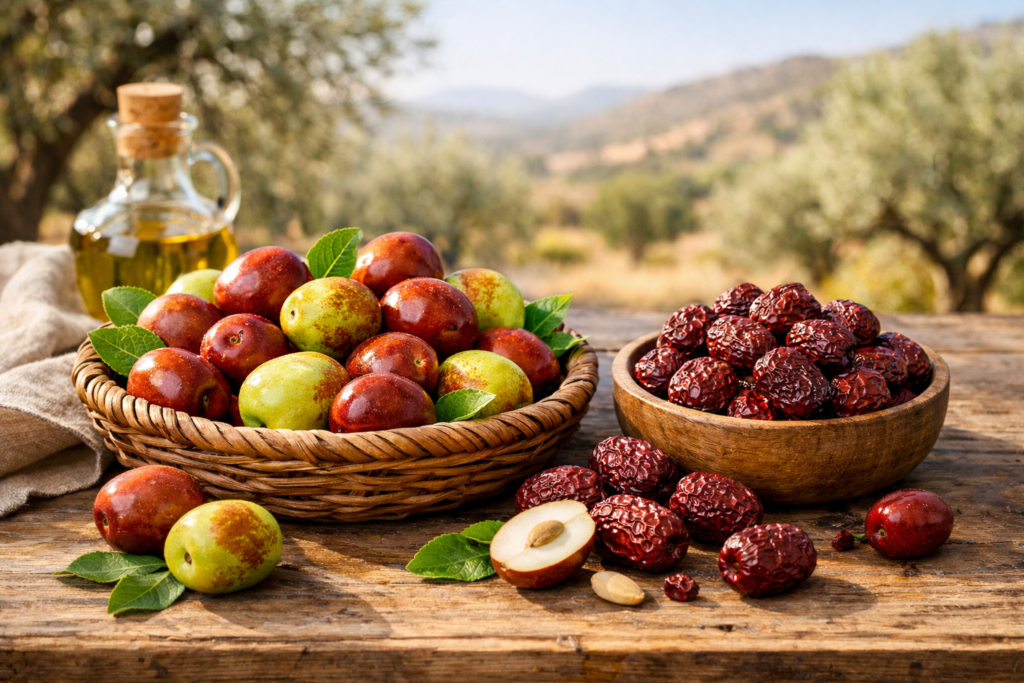
In a world obsessed with trendy superfoods, Žižole stands out as a hidden culinary gem that has quietly nourished civilizations for centuries. Once a staple in traditional diets, this ancient fruit is now regaining attention for its nutritional value, cultural importance, and versatile culinary uses. From heritage cuisine to modern wellness trends, Žižole offers an authentic taste of local culture wrapped in health and history.
What is Žižole? An Introduction to This Ancient Fruit
Žižole, commonly known as jujube, is a small, date-like fruit grown primarily in Mediterranean regions, parts of Asia, and Southern Europe. It has been part of regional food culture for thousands of years.
In recent years, Žižole has re-emerged in the global food scene due to rising interest in natural superfoods, farm-to-table dining, and traditional food of Žižole. Its sweet taste, long shelf life, and impressive health benefits make it highly appealing to modern consumers seeking locally sourced ingredients and sustainable options.
The Historical and Cultural Roots of Žižole
Žižole is deeply rooted in centuries-old traditions. Ancient civilizations valued it not only as food but also as medicine. In folklore, the fruit symbolized longevity, strength, and protection.
Across Mediterranean villages and Asian communities, Žižole appeared in local festivals and heritage celebrations, often prepared in comforting traditional meals passed down through generations. Many family-owned restaurants still preserve these traditional recipes, keeping the cultural food experience alive.
Botanical Identity: How Žižole Grows and What Makes it Unique
Scientifically known as Ziziphus jujuba, Žižole grows on a hardy deciduous tree that thrives in dry and semi-arid climates.
Unique characteristics include:
- Oval or round fruit shape
- Smooth green skin turning reddish-brown when ripe
- Short flowering season with autumn harvest
- Highly resilient growth requiring minimal water
Its ability to flourish in poor soils makes it ideal for sustainable farming practices and environmentally friendly agriculture.
Nutritional Profile of Žižole: What’s Inside the Fruit
Žižole packs impressive nutrients despite its small size:
- Macronutrients: Natural sugars, low fat, moderate carbohydrates
- Vitamins: Vitamin C, Vitamin A, B-complex
- Minerals: Potassium, iron, magnesium
- Fiber: Supports digestion
- Antioxidants: Flavonoids and polyphenols
This nutritional density places Žižole among the most powerful farm-fresh ingredients in traditional diets.
Health Benefits of Žižole Backed by Tradition and Science
Modern research supports what ancient healers already knew.
Key Health Benefits:
- Boosts immunity due to high Vitamin C
- Improves digestion through dietary fiber
- Promotes better sleep and relaxation
- Supports skin health and collagen production
- Balances blood sugar levels
- Reduces inflammation
These benefits explain why Žižole is becoming popular in the modern wellness & superfood scene.
Culinary Delights: How Žižole is Used in Kitchens Worldwide
Žižole cuisine is diverse and flavorful. Its sweet yet mild taste makes it suitable for both savory and sweet dishes.
Traditional & Modern Uses:
- Dried fruit snacks
- Herbal teas and infusions
- Syrups and jams
- Hearty local stew
- Delicate pastries with creamy fillings
Chefs and food lovers praise it as a mouthwatering ingredient that enhances authentic local cuisine.
READ ALSO: Babeltee: The Creamy, Chewy Tea Revolution Taking Over the World
Farm-to-Table: Growing and Harvesting Žižole Fruit
Žižole aligns perfectly with farm-to-table dining values.
Growing Tips:
- Prefers warm climates
- Grows well in sandy or loamy soil
- Minimal irrigation required
- Naturally pest-resistant
Many farmers adopt organic and eco-farming methods, supporting community-supported dining and environmental sustainability.
Žižole in the Modern Wellness & Superfood Scene
Žižole is now featured in:
- Superfood powders
- Herbal supplements
- Natural sleep remedies
- Skin-care extracts
Compared to other superfoods, Žižole offers similar antioxidant benefits but with a lower environmental footprint, making it attractive to conscious consumers.
Economic & Environmental Importance of Žižole
Žižole cultivation supports local farming economies, especially in rural regions.
Environmental Benefits:
- Requires less water
- Prevents soil erosion
- Supports biodiversity
It strengthens local gastronomy, sustains family-owned farms, and contributes to eco-friendly agriculture.
Why Žižole Still Matters Today and Its Future Potential
Žižole plays a crucial role in:
- Food security
- Dietary longevity
- Sustainable agriculture
Scientists are exploring its potential in pharmaceuticals, nutrition, and climate-resilient farming. Its future looks promising as demand for heritage cuisine and functional foods rises.
Žižole vs. Other Fruits: Detailed Comparison
| Fruit | Taste | Key Benefit |
|---|---|---|
| Žižole | Mildly sweet | Sleep & digestion |
| Dates | Very sweet | Energy boost |
| Goji berries | Tart | Eye health |
| Fresh jujube | Crisp | Immunity |
Žižole stands out for its balanced nutrition and versatility.
Žižole Recipes You Can Try at Home
Easy Homemade Ideas:
- Dried Žižole chips
- Žižole tea
- Natural syrup
- Fruit jam
- Dessert bowls with nuts & yogurt
These recipes offer comforting traditional meals with a modern twist.
Best Places to Find or Buy Žižole Today (USA, EU, Asia)
You can find Žižole at:
- Online organic stores
- Mediterranean specialty shops
- Asian health markets
- Local farmers’ markets
Some regions also offer farm tours and tastings, creating an unforgettable travel experience.
FAQs About Žižole
Q: What does Žižole taste like?
A: Mildly sweet, similar to apples or dates.
Q: Is Žižole safe to eat daily?
A: Yes, in moderate amounts.
Q: Are there any side effects?
A: Rare, but overconsumption may cause bloating.
Q: Can children eat Žižole?
A: Yes, it’s safe and nutritious.
Final Thoughts
Žižole is more than a fruit — it’s a cultural treasure, a nutritional powerhouse, and a symbol of authentic local cuisine. As people rediscover regional food traditions and sustainable living, Žižole is perfectly positioned to shine once again.