What Is Inomyalgia? (Medical Meaning & Simple Explanation)
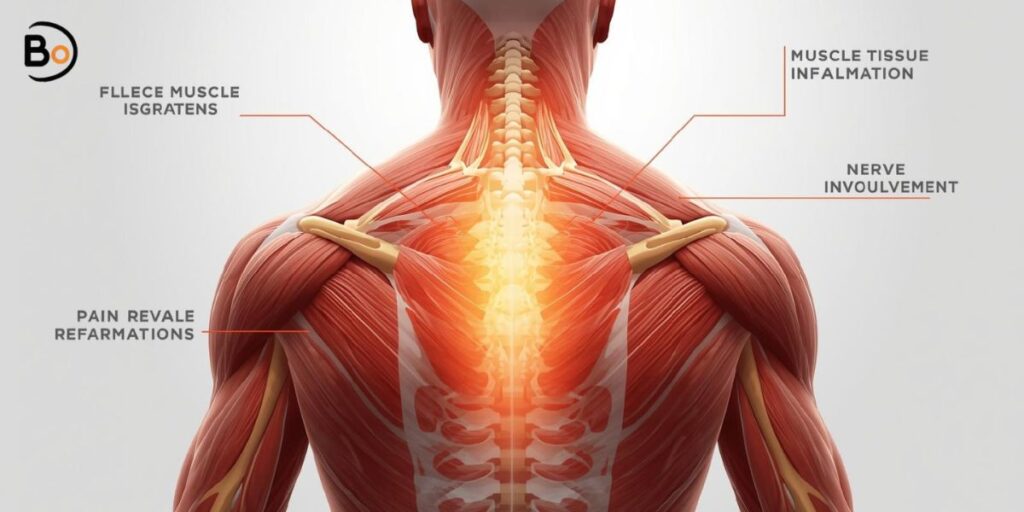
Inomyalgia refers to a condition characterized by pain that originates within the muscles. The term itself is derived from “ino,” meaning muscle fiber or muscle tissue, and “myalgia,” which simply means muscle pain. So, in its simplest form, inomyalgia means muscle fiber pain or pain arising from within the muscle itself. Unlike general muscle soreness from exercise or minor strain, inomyalgia reflects a deeper, persistent discomfort that suggests something more than just temporary overuse.
People often confuse inomyalgia with fibromyalgia because both involve muscle pain and tenderness. However, they are not the same. Fibromyalgia is a more complex and widespread pain syndrome that affects not just muscles but also soft tissues and the central nervous system’s processing of pain signals. Inomyalgia, on the other hand, is more localized, stemming from actual muscle tissue inflammation, micro-injuries, or strain. While fibromyalgia includes issues like brain fog and hypersensitivity, inomyalgia is more centered on specific muscle discomfort, stiffness, and fatigue.
Understanding this distinction is important because the treatments and underlying causes can differ. Fibromyalgia often requires neurological management, while inomyalgia is usually addressed through physical therapy, pain relief, and inflammation control. Knowing this helps avoid confusion during diagnosis and helps patients pursue the right path toward relief.
How Inomyalgia Develops in the Body (Underlying Mechanism)
Inomyalgia typically begins with inflammation inside the muscle tissue. This inflammation might be triggered by repetitive physical strain, poor posture, stress, or even underlying systemic health conditions. When muscle fibers are overused or injured—even microscopically—they can develop micro-tears. These tiny injuries release inflammatory chemicals, which irritate the surrounding tissues and pain receptors, leading to a dull or burning discomfort.
Nerve involvement is another key part of this process. The irritated muscle tissue can stimulate nearby nerve endings, which then send pain signals to the brain. Over time, if the inflammation or mechanical strain continues without proper healing, the nervous system can become sensitized. This means the pain response becomes amplified, even if the physical damage is minimal. This is how a simple muscle ache can turn into chronic muscle pain.
The journey from acute to chronic inomyalgia often happens quietly. What starts as a post-activity muscle soreness—something that might normally fade in a day or two—persists and deepens. The ongoing presence of pain alters muscle function, limits movement, and sometimes affects posture, which in turn creates more muscle strain. The cycle continues until the body can no longer compensate, and chronic symptoms take hold.
Common Causes and Risk Factors of Inomyalgia
Inomyalgia doesn’t usually appear without reason. One of the most common triggers is overuse of muscles. This can result from repetitive motion, physical labor, or even overexercising without adequate recovery. When muscles are pushed beyond their ability to repair, they begin to break down on a microscopic level, setting off the inflammatory response.
Stress and anxiety also play a significant role. Chronic stress leads to prolonged muscle contraction—especially in areas like the neck, shoulders, and lower back. This constant tension reduces blood flow to the muscles and encourages the buildup of metabolic waste, which irritates the tissue and causes pain.
Autoimmune conditions such as lupus, rheumatoid arthritis, or polymyositis may also be linked to inomyalgia in some people. These systemic disorders trigger inflammation throughout the body, including within muscle tissue, leading to ongoing pain and tenderness.
Vitamin deficiencies, particularly in B vitamins and vitamin D, can make muscles more prone to fatigue and discomfort. Without these nutrients, muscle function becomes impaired, recovery slows down, and pain lingers longer than it should.
Finally, poor posture, sedentary lifestyle, and lack of muscle conditioning can all contribute. When muscles are weak or imbalanced, even small physical efforts can lead to strain and micro-injuries. Over time, this low-grade physical trauma adds up and evolves into a more persistent issue.
Signs and Symptoms of Inomyalgia (Early to Advanced)
Early signs of inomyalgia often begin subtly. A person might notice muscle stiffness in the morning or after periods of rest. This stiffness usually eases with movement, but as the condition progresses, the relief becomes shorter-lived.
The defining symptom is deep, aching muscle pain. This isn’t the sharp pain of an injury, but rather a dull, continuous discomfort that seems to sit deep within the muscle tissue. Common areas include the upper back, shoulders, thighs, and lower back—places that tend to carry the most physical load or stress.
Fatigue is another frequent companion. It’s not just about feeling tired, but a sense of physical depletion, where muscles feel weak or overworked even after mild exertion. This can make daily tasks feel harder and more draining.
Sleep issues also emerge. Many people with inomyalgia report trouble falling asleep or waking frequently during the night. The discomfort prevents deep, restorative rest, which ironically leads to more fatigue and worsening muscle pain the next day.
As symptoms advance, the pain may spread to new areas, and people may develop sensitivity in the affected muscles. What began as a localized issue can start to feel more widespread, although it remains muscle-centered. At this stage, quality of life can be significantly affected, and the need for targeted treatment becomes more urgent.
Read Also: Attrities Explained: Hidden Causes, Symptoms & 2026 Treatments
Acute vs Chronic Inomyalgia: Key Differences Explained
The main difference between acute and chronic inomyalgia lies in duration and intensity. Acute inomyalgia develops suddenly, often after overexertion, physical trauma, or a temporary inflammatory trigger. The pain is noticeable but usually resolves with rest, gentle movement, and perhaps basic over-the-counter medication within days to weeks.
Chronic inomyalgia, by contrast, persists for months or even years. The pain may vary in intensity, but it never fully disappears. It’s less responsive to rest alone and often requires active management. Chronic cases may also bring psychological effects, such as frustration, anxiety, or mild depression due to the unrelenting nature of the discomfort.
Recovery from acute inomyalgia is usually possible with proper care. Chronic cases, while not necessarily permanent, require a more comprehensive, long-term approach. This includes lifestyle changes, consistent therapy, and sometimes medical interventions.
It’s important to consult a doctor if muscle pain lasts more than a few weeks, worsens over time, or begins to interfere with daily functioning. Early evaluation can help prevent chronic progression and provide relief sooner.
How Inomyalgia Is Diagnosed (Tests & Clinical Evaluation)
Diagnosing inomyalgia starts with a careful clinical evaluation. A healthcare provider will typically begin with a physical examination, focusing on muscle tenderness, tightness, and range of motion. They’ll also take a detailed history, asking about the duration, location, and nature of the muscle pain.
Blood tests may be ordered—not to detect inomyalgia directly, but to rule out other conditions that cause muscle pain, such as thyroid disorders, autoimmune diseases, or infections. These tests help ensure that more serious underlying causes aren’t missed.
Imaging such as MRI or ultrasound is not always necessary but may be used if a structural problem or more severe muscle injury is suspected. These tests can also help identify inflammation or fluid buildup within the muscle tissue.
One of the biggest challenges in diagnosis is the potential for misdiagnosis. Because muscle pain is a symptom of many different conditions, inomyalgia can be confused with fibromyalgia, myositis, or even nerve compression disorders. A thorough, cautious diagnostic process is key to getting the right treatment plan in place.
Treatment Options for Inomyalgia (Medical & Non-Medical)
Treatment for inomyalgia typically involves a combination of medical and non-medical strategies. Medications like nonsteroidal anti-inflammatory drugs (NSAIDs) are often the first line of defense. These help reduce inflammation and relieve pain. In more stubborn cases, muscle relaxants or low-dose antidepressants may be considered, especially if sleep or nerve sensitivity is involved.
Physical therapy is one of the most effective tools for recovery. A trained therapist can guide patients through stretching and strengthening exercises that restore muscle function and improve flexibility without triggering more pain. These movements also promote better blood flow and help break the cycle of stiffness and discomfort.
Pain management techniques such as heat therapy, massage, dry needling, and in some cases, trigger point injections, can provide short-term relief and support healing. These options help reduce muscle tension and improve comfort levels during daily activities.
Doctors—especially those in rheumatology, pain medicine, or physical rehabilitation—play an important role in guiding care. Having the right specialist can ensure that treatment is tailored to the person’s specific symptoms, risk factors, and lifestyle.
Lifestyle Changes & Home Remedies for Inomyalgia Relief
While medical care is important, lifestyle changes are essential for long-term relief from inomyalgia. Gentle exercise and stretching—especially low-impact activities like walking, swimming, or yoga—can keep muscles active without overloading them. The goal is to maintain movement without causing additional strain.
Stress management techniques such as mindfulness, deep breathing, and even counseling can help reduce the muscle tension that often worsens pain. A calmer nervous system leads to more relaxed muscles and a less intense pain experience.
Diet also matters. An anti-inflammatory diet rich in fruits, vegetables, healthy fats, and lean proteins supports muscle health and reduces systemic inflammation. Some people also benefit from supplements like magnesium, vitamin D, or B-complex vitamins if they have documented deficiencies.
Improving sleep hygiene—such as establishing a regular bedtime, reducing screen time, and creating a calm sleep environment—can improve rest and help the body heal. Since inomyalgia often disrupts sleep, addressing this area is crucial for reducing fatigue and breaking the pain cycle.
Is Inomyalgia a Serious Condition? (Long-Term Outlook)
Inomyalgia is not typically life-threatening, but that doesn’t mean it’s not serious. Chronic muscle pain can interfere with a person’s ability to work, exercise, and enjoy life. If left unmanaged, it can lead to a cycle of inactivity, worsening pain, and even mental health challenges like anxiety or depression.
While inomyalgia itself is treatable, there is no guaranteed “cure” for chronic cases. Management, rather than total elimination of symptoms, is often the realistic goal. But with the right strategies, many people are able to significantly reduce their pain and regain function.
Chronic pain management means accepting the condition as part of life while actively working to keep it under control. This mindset—combined with medical care, physical activity, and self-care—can lead to a better quality of life over time.
Conclusion
Living with inomyalgia can be frustrating, especially when the pain feels invisible to others and hard to explain. But understanding what’s happening inside your muscles—why the pain started, how it lingers, and what can be done—puts you back in control. Inomyalgia isn’t just “sore muscles”; it’s a genuine condition rooted in inflammation, tension, and often overlooked strain on the body. With the right diagnosis, consistent treatment, and supportive lifestyle changes, relief is possible. While there may not be a one-size-fits-all cure, many people find meaningful improvement through a balanced, informed approach. The key is not to ignore the pain or push through it blindly, but to listen to your body, take action early, and work with trusted professionals who understand that muscle pain deserves real answers—not just temporary fixes.