
Joint pain can be confusing, especially when the terminology itself isn’t clear. One term that increasingly shows up in search results—yet is often misunderstood—is “attrities.” Many people stumble across this word while looking for answers about persistent joint discomfort, stiffness, or reduced mobility. If you’ve found yourself wondering what attrities really is, how it relates to arthritis, or whether it explains your symptoms, this guide will walk you through everything you need to know in clear, honest, and medically grounded language.
What is Attrities? Differentiating it from Arthritis
The term “attrities” is often a misspelling or mishearing of “arthritis,” but its frequent appearance suggests a deeper public confusion worth addressing. While not officially recognized in medical literature as a distinct diagnosis, attrities is commonly used online by people describing symptoms that closely resemble those of arthritis—joint inflammation, chronic pain, stiffness, and reduced function. In that sense, understanding attrities means understanding arthritis, particularly its varied forms and causes.
The confusion between “attrities” and “arthritis” isn’t just semantic—it can delay accurate diagnosis and treatment. Many individuals search for “attrities” assuming it’s a separate or lesser-known condition, when in fact, they may be dealing with a well-documented form of joint disease. Knowing the correct term and understanding the biology behind it is essential to receiving the right care. Medical professionals use specific diagnostic frameworks, and miscommunication around terms can sometimes slow down critical evaluations.
Major Types of Attrities You Need to Know
Once we ground the term “attrities” as a stand-in for various forms of arthritis, we can begin to classify its major types. Degenerative attrities refers to conditions like osteoarthritis, which involve the gradual breakdown of cartilage—the tissue that cushions joints. This type often develops over time due to age, joint overuse, or injury, and is marked by chronic joint pain, stiffness after inactivity, and reduced range of motion.
On the other hand, inflammatory types, like rheumatoid arthritis, are driven by the immune system mistakenly attacking the joint’s synovial lining. These conditions can lead to intense joint inflammation, swelling, and even systemic symptoms like fatigue. Inflammatory attrities tends to affect multiple joints symmetrically and can cause joint deformities if not treated early.
There are also infection-induced forms, such as septic arthritis, where bacteria enter the joint space, and metabolic types like gout, caused by uric acid crystal accumulation. These rarer variants remind us that joint disease isn’t a one-size-fits-all diagnosis. Proper classification matters because treatment varies significantly across types.
Core Symptoms of Attrities (Early vs. Advanced Stages)
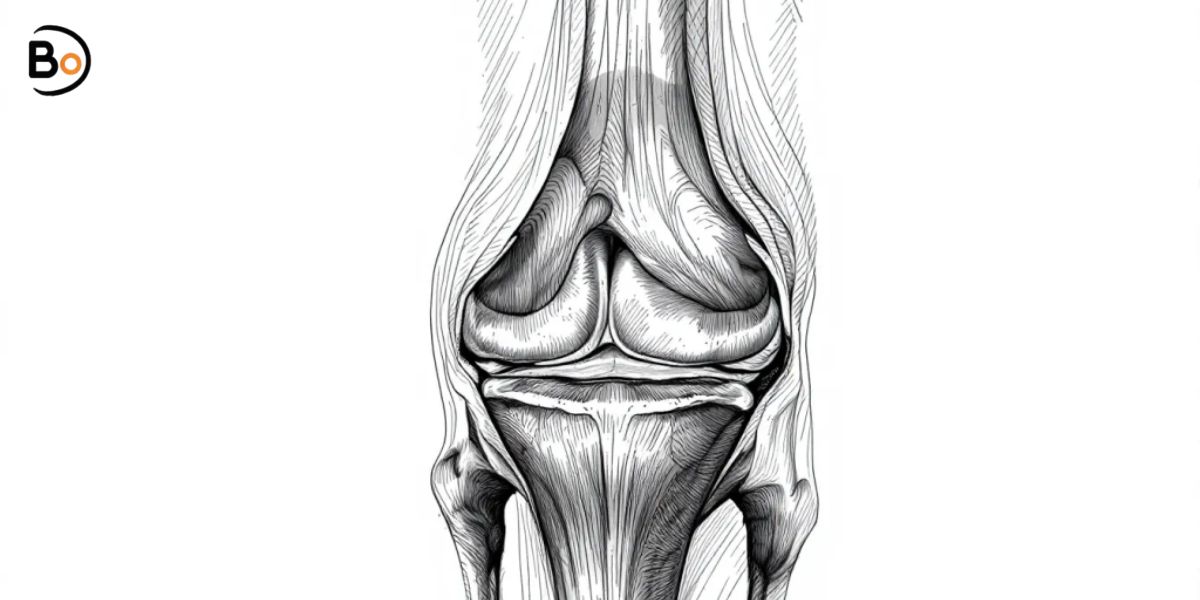
Early-stage attrities often begins subtly. People may notice stiffness in the morning lasting longer than 30 minutes, or a mild but nagging pain that seems to improve with gentle movement. Grip weakness, especially difficulty with tasks requiring fine motor control, might appear. These signs are easy to dismiss, which is why early detection can be elusive.
As the condition progresses, symptoms usually become more persistent and limiting. Swelling around joints, visible redness, and tenderness to touch often appear. In more advanced stages, joints may begin to deform, mobility becomes impaired, and daily activities—like climbing stairs or opening jars—can become challenging. Fatigue and general discomfort may increase as inflammation spreads systemically, particularly in autoimmune forms.
Tracking symptoms over time helps differentiate between temporary strain and a chronic musculoskeletal disorder. Pain that worsens with rest and improves with motion points toward inflammatory causes, while pain that increases with activity may indicate degenerative wear. Recognizing these patterns is crucial in guiding medical evaluation.
What Causes Attrities? Myths vs. Scientific Mechanisms
It’s tempting to reduce joint pain to “just getting older,” but age is only one factor. Attrities develops when cartilage—the protective tissue at joint ends—wears down, becomes inflamed, or is attacked by the body’s own immune system. In degenerative cases, tiny injuries to cartilage accumulate over time. These microdamages alter the way joints move, increasing friction and inflammation. This is what drives osteoarthritis, the most common form of joint disease globally.
In inflammatory attrities, the immune system plays the central role. For reasons still being researched, immune cells begin targeting the synovial membrane, leading to synovial inflammation, swelling, and joint erosion. This process can also involve systemic responses, like chronic inflammation throughout the body or fatigue tied to immune activity.
Risk factors like genetics, obesity, hormonal changes, or joint injuries also matter. For example, excess weight increases stress on load-bearing joints while also triggering low-grade systemic inflammation. It’s also important to note what doesn’t cause attrities—weather changes or minor physical activity alone are not root causes, though they can exacerbate symptoms.
Risk Factors and Who is Most Vulnerable
Age remains a primary risk factor, especially for degenerative forms. People over 50 are more likely to experience cartilage breakdown. Women, particularly post-menopausal women, are more susceptible to certain inflammatory types due to hormonal influences. A family history of autoimmune conditions can also increase vulnerability.
Sedentary lifestyles, repetitive joint strain from occupational tasks, or previous injuries create additional risk. For example, long-term typing or manual labor can increase stress on the wrists and knees, respectively. Environmental exposures—like smoking—can contribute to the development or worsening of autoimmune joint disease, linking lifestyle and biology in powerful ways.
Recognizing risk factors doesn’t mean accepting inevitability. Understanding them gives individuals a chance to intervene early, modify behaviors, and monitor symptoms closely.
Diagnosis: When and How to Get Evaluated
The earlier attrities is diagnosed, the better the outcome. Waiting until pain becomes disabling or joints visibly swell can allow damage to progress unnecessarily. Red flags include pain lasting more than a few weeks, joint swelling, persistent stiffness, and visible changes in joint shape. Any of these warrant prompt medical evaluation.
Diagnosis typically involves a mix of clinical examination and imaging tests. X-rays can reveal joint space narrowing and bone changes, while MRI offers a more detailed view of soft tissues and early-stage cartilage loss. Blood tests are essential for identifying inflammatory types, as they can detect markers like rheumatoid factor or elevated C-reactive protein levels. In some cases, fluid may be drawn from a swollen joint to check for infection or uric acid crystals.
Early referral to a rheumatologist can be particularly valuable. These specialists are trained to differentiate subtle forms of joint disease and can initiate targeted treatments to prevent long-term damage.
READ ALSO: Mariano Iduba: Biography, Innovations, and Vision in Modern Technology
2026 Treatment Options: From Medication to Regenerative Therapy

Treatment today is far more advanced than even a decade ago. For many, nonsteroidal anti-inflammatory drugs (NSAIDs) or corticosteroid injections can reduce inflammation and pain. In more severe or inflammatory cases, disease-modifying antirheumatic drugs (DMARDs) help slow the underlying disease rather than just treating symptoms. Biologic therapies, which target specific immune responses, offer hope for those with aggressive autoimmune forms.
Newer treatments in 2026 include regenerative options like platelet-rich plasma (PRP) injections and stem cell therapies aimed at restoring cartilage and modulating inflammation. While not universally approved for all forms of attrities, they represent a promising frontier, especially in early intervention and tissue preservation.
The latest FDA-approved drugs now focus on early-stage disease modification and preventing flare-ups. Personalized medicine is also gaining traction, with biomarker-guided therapies helping doctors tailor treatments based on a patient’s unique biology.
Lifestyle, Diet & Natural Remedies for Pain Management
Medical treatment works best when paired with smart lifestyle choices. An anti-inflammatory diet rich in omega-3 fats, leafy greens, berries, and whole grains can support joint health. Reducing processed sugars, refined carbs, and excessive red meat may also help dampen systemic inflammation that worsens joint pain.
Physical therapy plays a key role in maintaining mobility and reducing stiffness. Guided exercises improve joint function without overloading damaged tissues. Digital rehabilitation platforms are also making it easier to stay consistent with at-home routines. Yoga, tai chi, and aquatic therapy offer low-impact movement options that benefit both strength and flexibility.
Natural remedies like turmeric, ginger, and boswellia have shown some anti-inflammatory potential in small studies. However, these should be used cautiously and never as a substitute for evidence-based treatment. Consulting a physician before integrating herbal or Ayurvedic supplements is always advisable.
Long-Term Management & When to Seek Urgent Care
Living well with attrities means actively managing the condition over time. Strategies to prevent flare-ups include pacing activities, maintaining a healthy weight, staying physically active, and regularly checking in with a healthcare provider. Medications may need adjustments as the disease evolves.
Tracking symptoms with wearable mobility data can also help detect subtle declines before they become severe. These tools offer insights into walking patterns, joint loading, and activity levels that were previously hard to monitor outside the clinic.
Urgent care is needed if joint pain becomes suddenly severe, if there is unexplained fever with joint swelling (suggesting infection), or if mobility is dramatically reduced in a short time. Prompt attention in these cases can prevent permanent damage or systemic complications.
Conclusion: The Road to Joint Health in 2026 and Beyond
Understanding attrities—whether it’s osteoarthritis, rheumatoid arthritis, or another joint disease—requires moving past confusing labels and focusing on biology, symptoms, and practical solutions. While the term “attrities” may stem from a misunderstanding, the experiences behind it are real and deserve accurate attention.
Today’s treatment landscape offers real hope, combining medication, regenerative medicine, and lifestyle support into a cohesive approach. Early intervention, tailored therapy, and ongoing self-care all play a role in preserving joint function and quality of life.
If you’re experiencing joint symptoms, don’t wait. Accurate diagnosis and personalized care are the foundation of long-term joint health. With the right steps, even chronic joint conditions can be managed effectively, allowing you to stay active, engaged, and in control of your health well into the future.