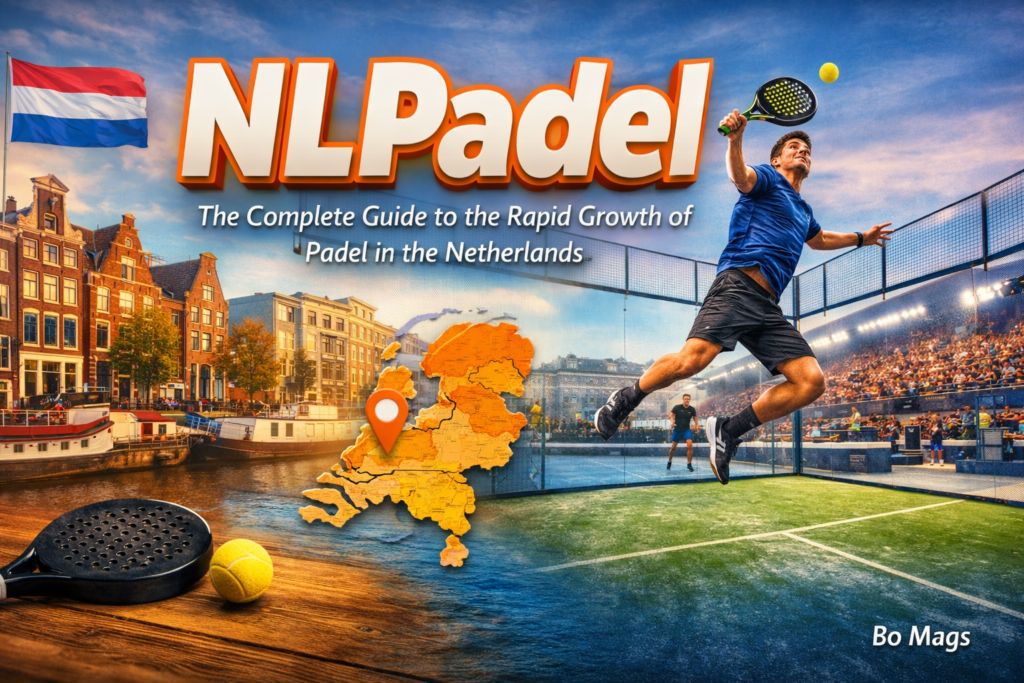
Across Europe, a quiet revolution is unfolding. NLPadel stands at the center of it. While Americans debate pickleball’s rise, padel in the Netherlands has already transformed into a structured movement with scale, ambition, and national momentum.
For USA readers watching global sports trends, NLPadel signals something bigger than a trend. It reflects how modern racket sports evolve when urban design, smart planning, and strong community values align. The padel growth Netherlands story offers lessons for investors, athletes, and sports entrepreneurs alike.
What Is NLPadel? Meaning, Concept, and Scope
At its core, NLPadel represents the organized expansion of padel sport Netherlands. It blends competitive structure with social appeal. Unlike informal backyard games, this model integrates clubs, rankings, coaching, and technology into a scalable system.
More importantly, NLPadel strengthens the national sports ecosystem. It improves accessibility in sports and promotes mainstream sport adoption. Courts appear in cities and suburbs alike. Participation ranges from beginners to elite athletes. The result feels coordinated, not chaotic.
The Origin and Evolution of Padel in the Netherlands
Padel arrived in the Netherlands in the early 2000s. Growth remained slow until 2015. Then investment accelerated. Tennis clubs converted unused space into padel courts Netherlands facilities. Participation doubled year after year.
By 2023, the numbers showed dramatic expansion. Consider the growth trajectory below.
| Year | Estimated Courts | Registered Players |
|---|---|---|
| 2015 | 50 | 5,000 |
| 2018 | 300 | 40,000 |
| 2021 | 1,000 | 150,000 |
| 2024 | 2,500+ | 400,000+ |
This surge positioned NLPadel among the fastest-growing emerging sports in Europe. It also strengthened alignment with broader national sports development goals.
Why Padel Is Exploding in the Netherlands
The answer starts with simplicity. Padel feels easier than tennis. Courts are smaller. Rallies last longer. Beginners enjoy instant success. That sense of progress fuels player engagement and repeat play.
At the same time, the sport fits Dutch urban life. Cities value compact design. Indoor padel courts thrive during cold winters. Outdoor padel facilities attract summer crowds. The mix supports recreational and competitive play across seasons.
NLPadel Infrastructure: Courts, Clubs, and Facilities
Infrastructure drives momentum. Dutch padel clubs now operate under modern sports infrastructure principles. Facilities include glass walls, LED lighting, spectator seating, and climate control.
Technology plays a role too. Many venues use digital booking systems and match scheduling platforms. This efficiency enhances the overall player experience. Across Europe, analysts now reference the Netherlands as a leader in padel infrastructure Europe.
Read Also: SEO by Highsoftware99.com: A Modern & Practical Approach to Search Visibility in the USA
Training, Coaching, and Skill Development in NLPadel
Training standards improved rapidly. Padel training Netherlands programs now operate within structured training pathways. Beginners join introductory clinics. Advanced players enter performance tracks guided by certified coaches.
Clubs invest in padel coaching programs that emphasize tactics, positioning, and teamwork. These skill development programs fuel steady progress. Such organization ensures long-term long-term sustainability and adherence to international standards.
NLPadel Community, Social Impact, and Lifestyle
More than competition, NLPadel builds relationships. The padel community Netherlands thrives on connection. Cafés inside clubs host post-match gatherings. Business professionals meet through leagues.
This growth nurtures a genuine community-driven sport. It strengthens inclusive sports culture and encourages youth participation. Families join together. Women’s leagues expand. The environment supports balanced fitness and social interaction.
Tournaments, Leagues, and Competitive Scene
Competition brings structure. The country hosts numerous padel tournaments Netherlands events throughout the year. Amateur ladders operate weekly. National championships attract elite players.
Participation in padel leagues Netherlands connects local players to broader padel competition Europe circuits. Some venues evolve into professional padel clubs with sponsorship backing. Competitive depth continues rising each season.
Role of Technology and Social Media in NLPadel Growth
Digital visibility fuels recognition. Clubs stream finals online. Influencers post match highlights. Rankings update in real time through apps. This integration modernizes the sport.
As a result, NLPadel accelerates mainstream sport adoption. Online systems enhance player engagement and simplify scheduling. Technology transforms interest into measurable growth.
Read Also: EasyJet Flight U2238 Emergency Landing in Newcastle
Health, Fitness, and Mental Benefits of Playing NLPadel
Health remains a core driver. Padel improves cardiovascular endurance and reflex speed. Short bursts of movement train agility. Doubles play encourages communication.
Studies across European sports institutes show improved mental focus among participants in padel sport Netherlands. Social bonding reduces stress. Regular play strengthens both physical resilience and emotional well-being.
The Future of NLPadel in the Netherlands
Looking ahead, projections show continued padel growth Netherlands expansion. Investors fund new complexes annually. Youth academies expand enrollment. International events consider Dutch venues.
Experts predict further integration into the European sports ecosystem. With strong infrastructure and community support, NLPadel appears poised for sustained influence across global modern racket sports markets.
Final Thoughts
For American readers tracking trends, NLPadel represents more than regional enthusiasm. It demonstrates how thoughtful planning accelerates emerging sports in Europe. Infrastructure, coaching, and culture align effectively.
The evolution of padel in the Netherlands proves that growth requires more than popularity. It demands vision, structure, and connection. In that sense, NLPadel offers a compelling blueprint for the next era of global sport expansion.
Frequently Asked Questions About NLPadel
What makes NLPadel different from other racket sports?
NLPadel blends tennis and squash elements while focusing on doubles play. The enclosed court design keeps rallies alive longer. This structure improves accessibility and makes it easier for beginners to enjoy quick progress compared to traditional tennis.
How fast is padel growing in the Netherlands?
The growth rate has been dramatic. Court numbers and registered players have multiplied within a decade. Industry analysts often describe padel growth Netherlands as one of the fastest expansions among modern European sports.
Are there professional opportunities in NLPadel?
Yes. Competitive players can join ranked leagues and national tournaments. Professional clubs now operate under international standards. Sponsorship and media exposure continue expanding within the European padel competition scene.
Is NLPadel suitable for beginners?
Absolutely. The smaller court and doubles format make learning easier. Many clubs offer beginner clinics and structured coaching pathways. New players typically feel comfortable after just a few sessions.
Could NLPadel influence the U.S. sports market?
Very likely. As American interest in modern racket sports grows, the Dutch model provides a scalable blueprint. Its infrastructure and community-driven approach could inspire similar development across the United States.
You May Like: What Is cbybxrf? Meaning, Uses, and Why This Mysterious Term Appears Online