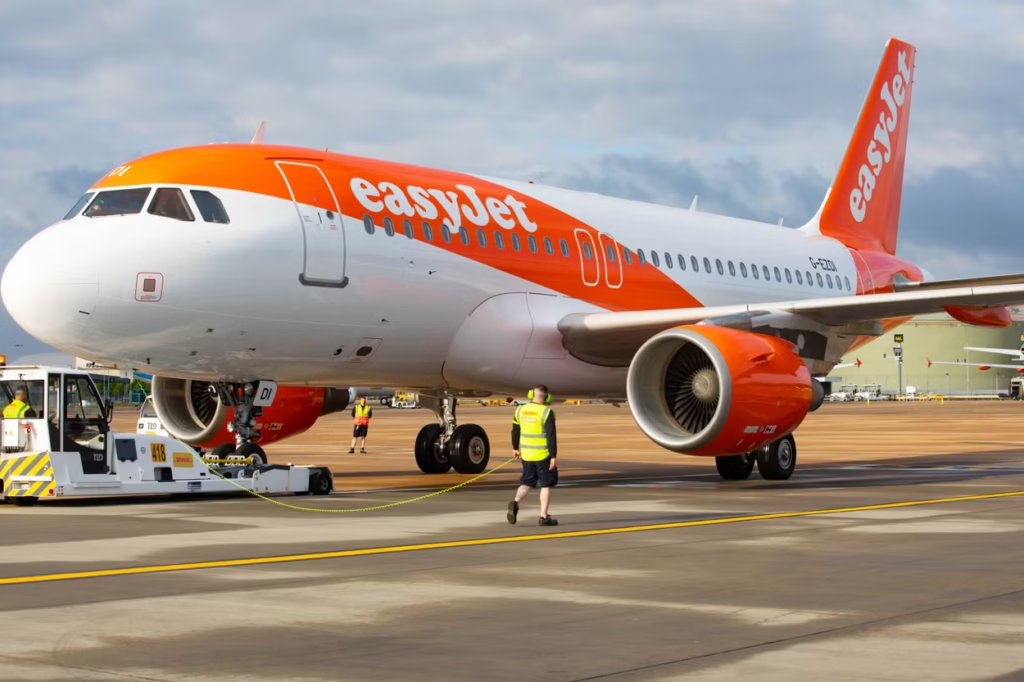
When news breaks about an emergency landing, it instantly creates anxiety. For passengers, families, and even frequent flyers, the phrase alone can sound alarming. That’s exactly what happened when easyJet flight U2238 made an emergency landing at Newcastle International Airport.
Despite the dramatic headlines, this incident followed established aviation safety procedures designed to protect passengers. Understanding what actually happened, why such landings occur, and what it means for travelers helps separate real risk from routine safety decisions.
This guide explains the easyJet flight U2238 emergency landing in Newcastle in clear, factual terms—without panic, speculation, or technical overload.
What Happened to easyJet Flight U2238
easyJet flight U2238, operated by easyJet, diverted and landed in Newcastle after a safety concern was identified during the flight. The aircraft landed safely, emergency services were present as a precaution, and passengers were assisted after touchdown.
There were no reports of injuries, uncontrolled situations, or unsafe landing conditions. The event was managed exactly as aviation safety regulations require.
In aviation, an “emergency landing” does not automatically mean danger. It often signals that pilots chose caution over continuation.
Why Did Flight U2238 Land in Newcastle
Pilots make diversion decisions using a strict risk-assessment process. When a system alert, unusual reading, or operational concern appears, they may decide that landing sooner is the safest option.
Newcastle is a logical diversion airport because it offers:
- Fully equipped long runways
- 24/7 emergency response teams
- Advanced aircraft inspection facilities
- Efficient coordination with air traffic control
This makes Newcastle International Airport a trusted destination for precautionary landings in the UK.
What an Emergency Landing Really Means

An emergency landing is a preventive safety measure, not a sign of imminent failure.
Modern commercial aircraft—such as the Airbus A320 family used by easyJet—are built with multiple redundant systems. When a warning appears, pilots follow established checklists and coordinate with air traffic control to minimize risk.
Common triggers include:
- Technical alerts
- Sensor warnings
- Cabin environment issues
- Medical emergencies onboard
In most cases, the aircraft remains fully controllable and lands normally.
Emergency Landing vs Diversion: Is There a Difference?
These terms are often confused, but they are closely related.
| Situation | What It Means |
|---|---|
| Emergency landing | A landing made due to a safety concern |
| Diversion | Changing destination from the original plan |
| Precautionary landing | A safety-first decision without immediate danger |
Flight U2238 fits the precautionary emergency landing category.
Why Fire Engines Were Seen on the Runway
Seeing emergency vehicles near a plane often causes panic, but it is completely routine.
Emergency services are automatically deployed whenever an aircraft declares a potential issue. This ensures immediate response capability, even if no intervention is needed.
In most cases, the vehicles never take action beyond standing by.
Passenger Safety Procedures During the Landing
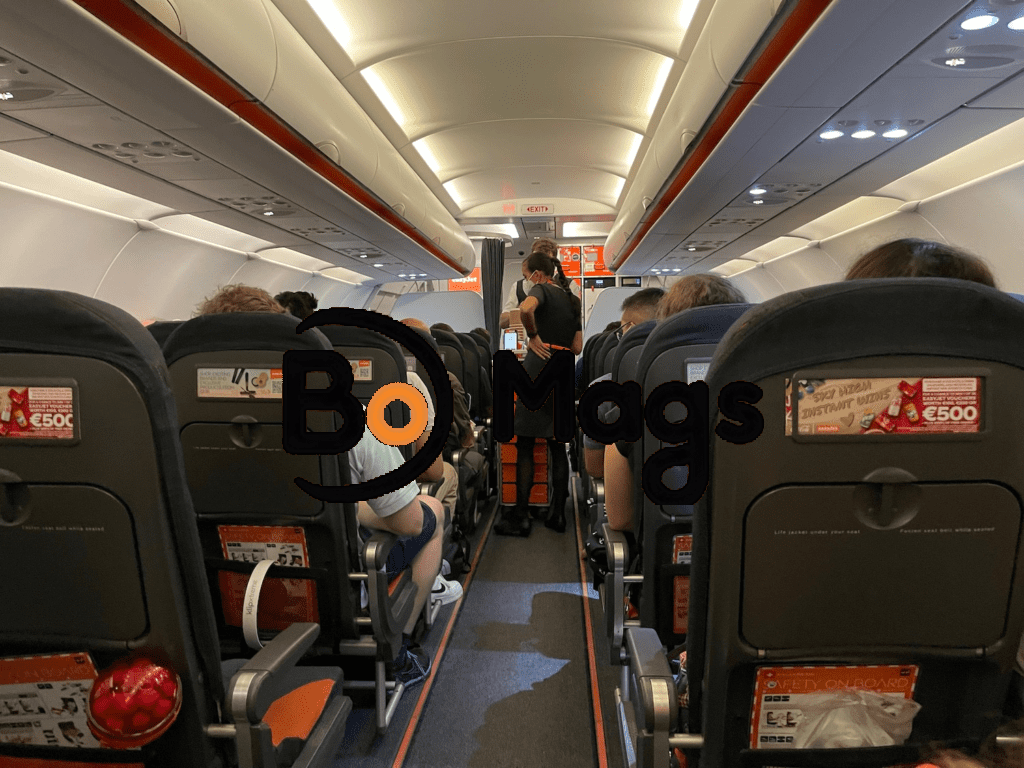
From the moment an issue is identified, a structured process begins.
Before landing:
- Pilots communicate with air traffic control
- Cabin crew brief passengers calmly
- Emergency services are placed on standby
After landing:
- Aircraft is inspected
- Passengers remain seated until cleared
- Disembarkation occurs normally or via remote stand
These procedures are rehearsed frequently by crews and airport teams.
Read Also:- What Is cbybxrf? Meaning, Uses, and Why This Mysterious Term Appears Online
What Passengers on Flight U2238 Should Do Next
If you were on easyJet flight U2238, the most important step is staying informed.
Immediately after landing:
- Follow crew instructions
- Keep your boarding pass and booking details
- Ask ground staff about onward travel
Within the next 24–48 hours:
- Check official easyJet communications
- Document delays or extra costs
- Request rebooking or refund options if needed
Passenger Rights After an Emergency Landing
Under UK and EU passenger protection rules—often referred to as UK261 / EC261—airlines must provide care and assistance when a flight is disrupted.
This may include:
- Meals and refreshments
- Hotel accommodation if overnight delay occurs
- Rebooking on another flight or a refund
Compensation, however, depends on the cause. Emergency landings related to safety are usually considered extraordinary circumstances, which means cash compensation is not always applicable.
Is easyJet Safe After This Incident?
Yes. Emergency landings actually demonstrate that safety systems are working as intended.
easyJet operates under strict oversight from the UK Civil Aviation Authority and international aviation standards. Aircraft only return to service after full technical inspection and clearance.
Choosing to land early is a sign of caution, not risk.
How Often Do Emergency Landings Happen

Emergency or precautionary landings are more common than people realize, especially considering the volume of daily flights worldwide. Most occur without incident and receive attention only because they disrupt schedules.
They are a normal part of risk management in commercial aviation.
Common Myths About Emergency Landings
| Myth | Reality |
|---|---|
| Emergency landing means danger | Usually precautionary |
| Fire engines mean disaster | Standard protocol |
| Plane was unsafe | Aircraft land safely by design |
| Passengers are abandoned | Airlines must provide care |
Impact on Newcastle International Airport
Airports like Newcastle are designed to handle emergency events efficiently. While there may be brief runway delays or scheduling adjustments, operations usually return to normal quickly.
The presence of emergency services does not imply airport shutdown.
What Happens to the Aircraft After Landing
After an emergency landing, the aircraft undergoes:
- Technical inspection
- System diagnostics
- Maintenance clearance
Only after engineers confirm safety does the aircraft re-enter service.
FAQs
Was anyone injured on easyJet flight U2238?
No injuries were reported. All passengers landed safely.
Was the emergency landing dangerous?
No. It was a controlled, precautionary landing.
Why was Newcastle chosen instead of the original destination?
Because it offered immediate runway access, emergency support, and maintenance facilities.
Do passengers get compensation after an emergency landing?
Care is guaranteed; compensation depends on the cause.
Is it safe to fly after such incidents?
Yes. Safety protocols exist to prevent risk.
Did the airport close because of this landing?
No. Operations typically continue with minimal disruption.
Will the aircraft fly again?
Yes, but only after full inspection and clearance.
Conclusion
The easyJet flight U2238 emergency landing in Newcastle was not a failure or near-miss—it was a textbook example of aviation safety working exactly as intended. The aircraft landed safely, passengers were protected, and procedures were followed calmly and professionally.
For travelers, the key takeaway is reassurance. Emergency landings are about preventing problems, not reacting to disasters. When pilots choose caution, everyone benefits—from passengers to crews to the wider aviation system.
If you don’t understand any item have Any Type Of Any Question About this Content Contact Us.