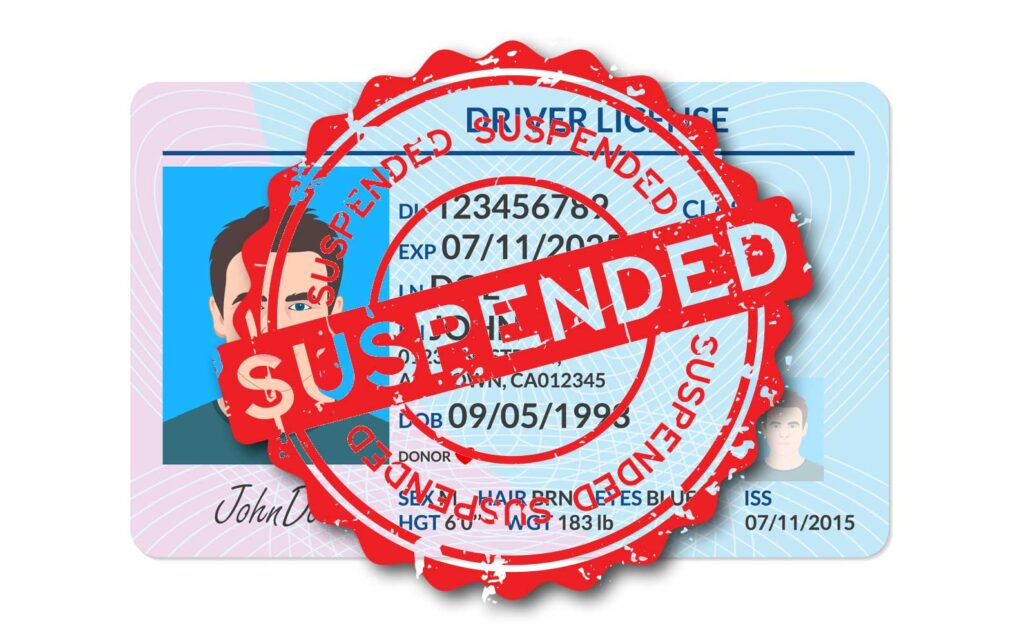
What Is Driver’s License Suspension (Landes)?
A driver’s license suspension (Landes) refers to the temporary or permanent loss of legal driving privileges enforced at a state or regional level under a broader national traffic law framework. In many countries, traffic laws are created at the federal level, while enforcement and administration are handled by individual states or regions. This is why the term Landes is commonly used to describe state-level authority over suspensions.
In practical terms, a suspension means you cannot legally drive any motor vehicle during the suspension period. Depending on the jurisdiction, the physical license may be confiscated, digitally flagged, or rendered invalid in official records maintained by a motor vehicle authority and shared with traffic police and courts.
Why Driver’s License Suspension Matters
Losing driving privileges affects far more than daily transportation. Employment opportunities can be limited, especially for roles that require travel or vehicle use. Insurance policies may be canceled or become significantly more expensive, and repeat violations can escalate into criminal charges.
For international drivers or residents, a suspension can also create immigration or residency complications. Understanding suspension rules early helps prevent mistakes that can extend the ban or turn an administrative penalty into a long-term legal problem.
Who Can Be Affected by a License Suspension
License suspensions apply broadly and are not limited to private drivers. Commercial drivers, delivery workers, rideshare operators, and even foreign license holders can be affected. In many jurisdictions, visitors driving under local recognition rules are subject to the same enforcement standards.
Depending on the case, a suspension may be imposed by traffic police, an administrative authority, or a court order. The issuing authority often determines whether additional steps, such as assessments or hearings, are required.
Common Reasons for Driver’s License Suspension
Most suspensions result from repeated or serious traffic violations that raise safety concerns. Authorities focus on behavior patterns rather than isolated mistakes.
Common reasons include:
- Driving under the influence of alcohol or drugs
- Accumulating excessive penalty points
- Dangerous or reckless driving behavior
- Severe speeding violations
- Driving without valid insurance
- Medical or psychological unfitness to drive
- Ignoring previous driving bans or court instructions
Repeat offenses usually lead to longer suspension periods or full license revocation.
License Suspension vs. License Revocation
Although often used interchangeably, suspension and revocation are legally different outcomes.
| Aspect | Suspension | Revocation |
|---|---|---|
| Duration | Temporary | Indefinite or permanent |
| Driving allowed | No | No |
| Automatic return | Often yes | No |
| Reapplication required | Sometimes | Always |
| Severity | Moderate | High |
A suspension pauses driving privileges for a defined period, while revocation fully removes them and requires a formal reapplication process.
State-Level (Landes) vs. Federal Rules
Most legal systems rely on federal traffic laws that set national standards. Enforcement, however, is carried out by state authorities, which creates practical differences in how suspensions are handled.
These differences may include processing speed, documentation requirements, assessment standards, and reinstatement timelines. As a result, two drivers with similar violations may experience very different outcomes depending on where the suspension is enforced.
How Long Does a Driver’s License Suspension Last?
Suspension length depends on several factors, including the type of offense, its severity, and the driver’s prior record. Administrative suspensions are often shorter than court-ordered bans.
Typical ranges include:
- Minor violations: 1–3 months
- Serious speeding or first DUI: 3–12 months
- Repeat DUI or high-risk behavior: 12–24 months or revocation
Judges and administrative bodies may extend these periods if aggravating circumstances exist.
What Happens During a Suspension
Once a suspension is active, your legal driving status is updated in official databases. Insurance providers may be notified, and employers who require driving credentials may request confirmation of status.
Driving systems such as rental agencies or border authorities can also detect suspended licenses. Even short, unauthorized driving during this period can lead to severe penalties.
Driving While Suspended: Risks and Penalties
Operating a vehicle during a suspension is treated as a serious violation rather than a minor offense. Many jurisdictions classify it as a criminal act.
Consequences may include:
- Heavy fines
- Extension of the suspension period
- Full license revocation
- Criminal records
- Prison sentences in severe cases
- Vehicle impoundment
Authorities view this behavior as deliberate non-compliance.
How to Get Your License Back After Suspension
Reinstatement follows a structured process that varies by jurisdiction but shares common steps.
General reinstatement process:
- Complete the full suspension period
- Pay all required administrative fees
- Attend mandatory courses if ordered
- Pass medical or psychological assessments when required
- Reapply through the local motor vehicle authority
- Receive written confirmation of restored driving privileges
Skipping or delaying any step can significantly extend the process.
Medical and Psychological Assessments
In cases involving substance use or repeat offenses, authorities may require a medical or psychological assessment. These evaluations measure driving fitness, risk behavior, and long-term safety.
Preparation improves success rates, as failure often results in additional waiting periods before retesting.
Costs and Fees to Expect
While costs vary internationally, drivers should expect multiple expense categories rather than a single reinstatement fee.
Common cost areas include:
- Administrative reinstatement fees
- Assessment and testing costs
- Mandatory rehabilitation or education programs
- Optional legal consultation
Unexpected expenses usually come from failed assessments or missed deadlines.
Read Also: EasyJet Flight U2238 Emergency Landing in Newcastle
Can You Appeal a License Suspension?
Appeals are possible in many jurisdictions, but strict deadlines apply. Evidence must demonstrate procedural errors, disproportional penalties, or incorrect application of the law.
In most cases, enforcement continues during the appeal unless a temporary suspension is granted by the court.
Does Suspension Apply Across States or Countries?
Most suspensions apply nationwide within the issuing country. Cross-border enforcement depends on international agreements and data sharing between authorities.
Foreign license holders may still face local driving bans even if their home license remains valid.
Can You Work While Your License Is Suspended?
Employment is usually allowed unless driving is an essential job requirement. Employers may temporarily reassign duties or require alternative transportation arrangements.
Common Mistakes That Extend Suspensions
Many drivers unintentionally worsen their situation by misunderstanding the rules.
Frequent mistakes include:
- Driving short distances “just once”
- Missing reapplication deadlines
- Ignoring assessment requirements
- Assuming rules are identical everywhere
- Failing to confirm reinstatement approval
Decision Guidance: What to Do First
After receiving a suspension notice, immediate action matters. Stop driving, verify the exact terms of the suspension, and confirm state-specific requirements. Early preparation often shortens recovery time and reduces costs.
FAQs
What does driver’s license suspension (Landes) mean?
It means driving privileges are restricted or removed at the state or regional level under national traffic law.
Is license suspension the same in every state?
No. Enforcement and procedures vary by state even under the same federal law.
Can I drive in another state if my license is suspended?
Generally not. Most suspensions apply nationwide.
How long does a driving ban usually last?
From one month to over a year, depending on severity and history.
Do I need a test to get my license back?
Serious offenses often require medical or psychological assessments.
Is driving during suspension a criminal offense?
Yes, in many jurisdictions.
Can suspension affect insurance?
Yes. Premiums may rise or policies may be canceled.
Conclusion
Driver’s license suspension (Landes) is a serious legal measure designed to protect road safety and enforce accountability. Although traffic laws are usually national, state-level enforcement creates meaningful differences in duration, costs, and recovery steps. Acting promptly, understanding local requirements, and completing reinstatement obligations correctly are the most effective ways to regain legal driving privileges and avoid long-term consequences.